One of the goals of Partnership Wild and Scenic River designation and management is to protect river values specific to that watershed. Designation requires the protection of an Outstandingly Remarkable Value (ORV), which is a river-related value that is rare, unique, or an exemplary feature at a regional or national scale. ORVs may include scenic, recreational, geologic, fish and wildlife, historic, cultural, or other similar values.
To be considered eligible for inclusion in the National Wild and Scenic Rivers System, a river segment, together with its adjacent lands, must support one or more “outstandingly remarkable” natural, cultural, or recreational resource values. Such resource values must be directly related to, or dependent upon, the river and its adjacent lands. The “outstandingly remarkable” threshold is met if a value is found to be unique, rare or exemplary within a region of comparison, as based on the professional judgment of the study/evaluation team.
The following are the Myakka River's Outstandingly Remarkable Values:
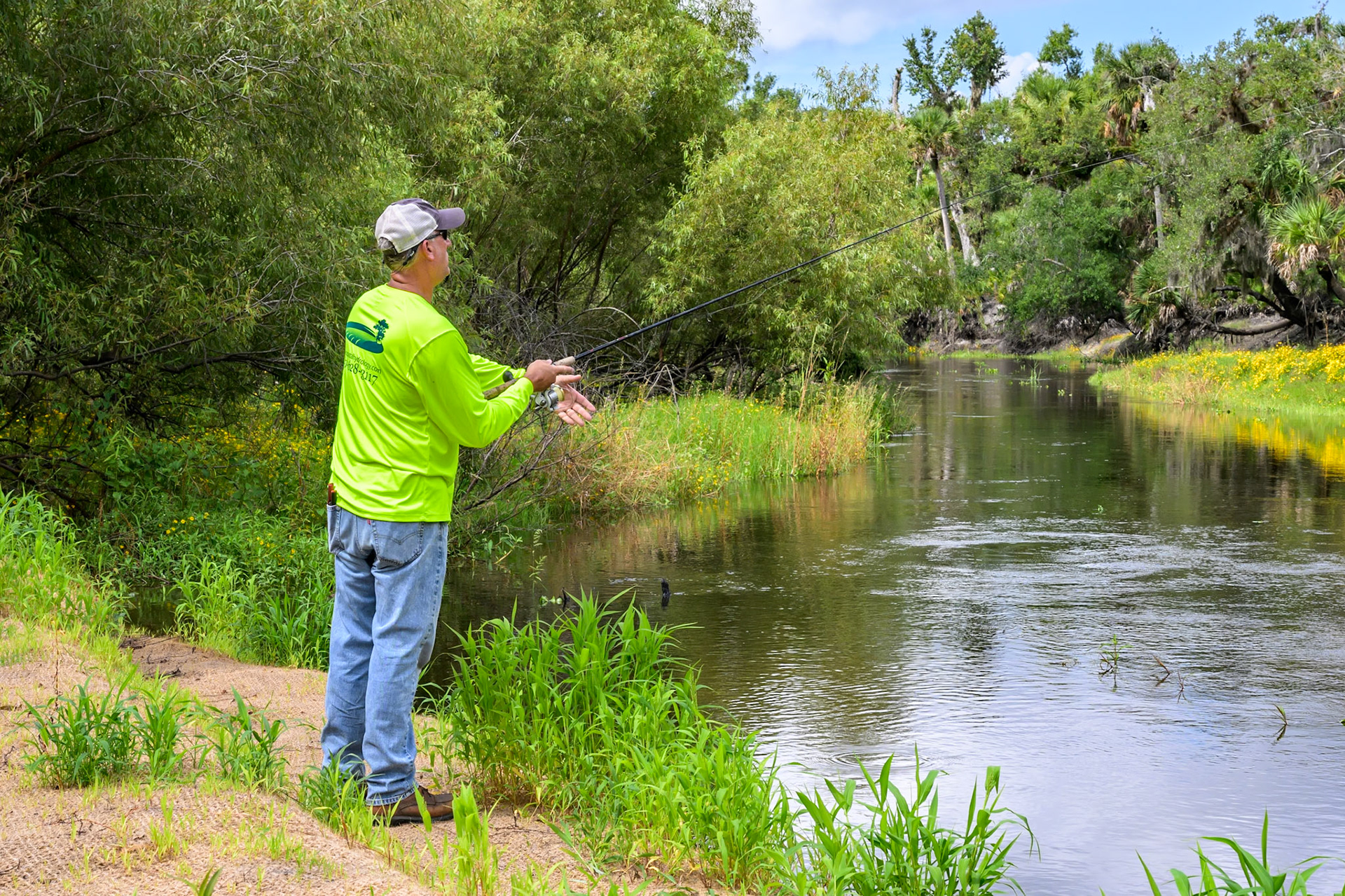
ECONOMIC RESOURCE VALUE - The economic resource elements most closely related to the river itself are commercial fishing, commercial boat tours and guided kayak tours. Additional economic activity is generated by sport fishing, hiking, birding, and other forms of nature-based recreation. Commercial fishing includes harvesting crabs and is generally limited to the lower reaches of the Myakka River, primarily south of U.S. Highway 41. Commercial boat touring is limited to tours in the Upper Myakka Lake and at Snook Haven Park. Popular fishing spots include both the Upper Myakka Lake and the Lower Myakka Lake, in the vicinity of Snook Haven, and where tributaries discharge into the Myakka River. Guided and unguided forms of nature-based recreation occur in every section of the river.
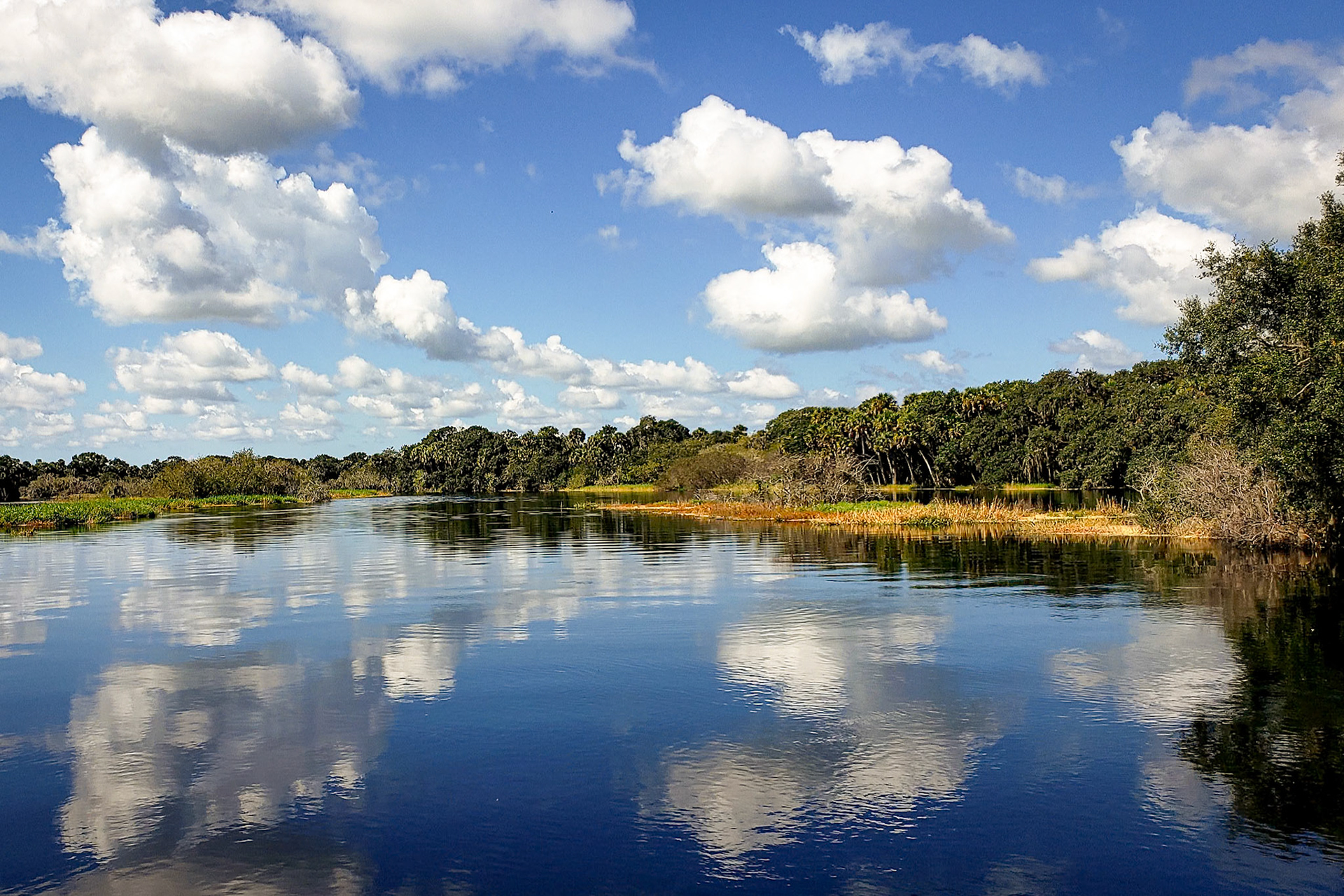
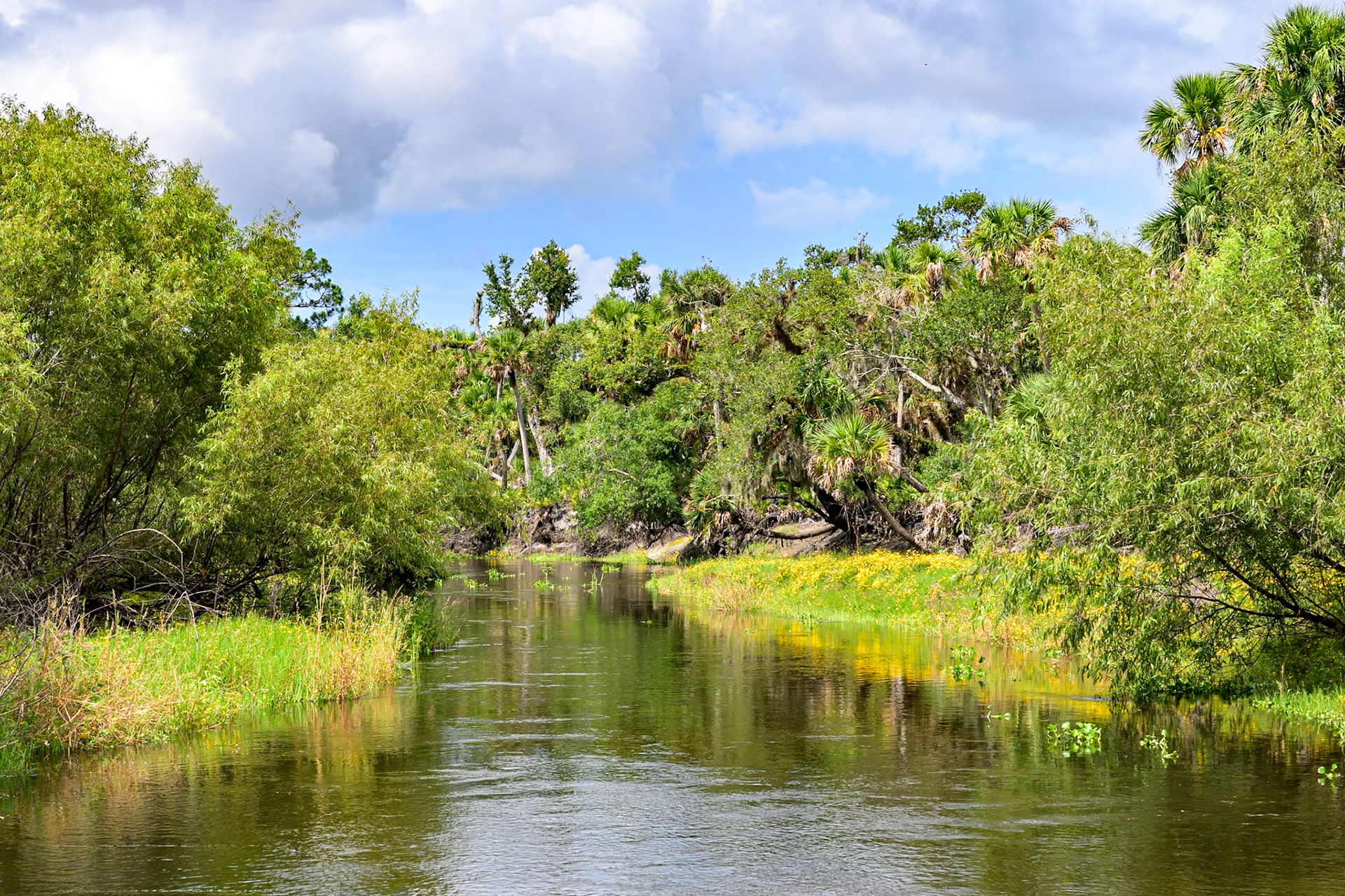
SCENIC RESOURCE VALUE - The most prominent scenic resource value associated with the Myakka River is its vista as seen from the river and its bank. The river offers a wide variety of scenic views from the intimate closeness associated with hardwood forests situated along the narrow river reaches to the wide-open spaces of the lakes and the broad lower river.
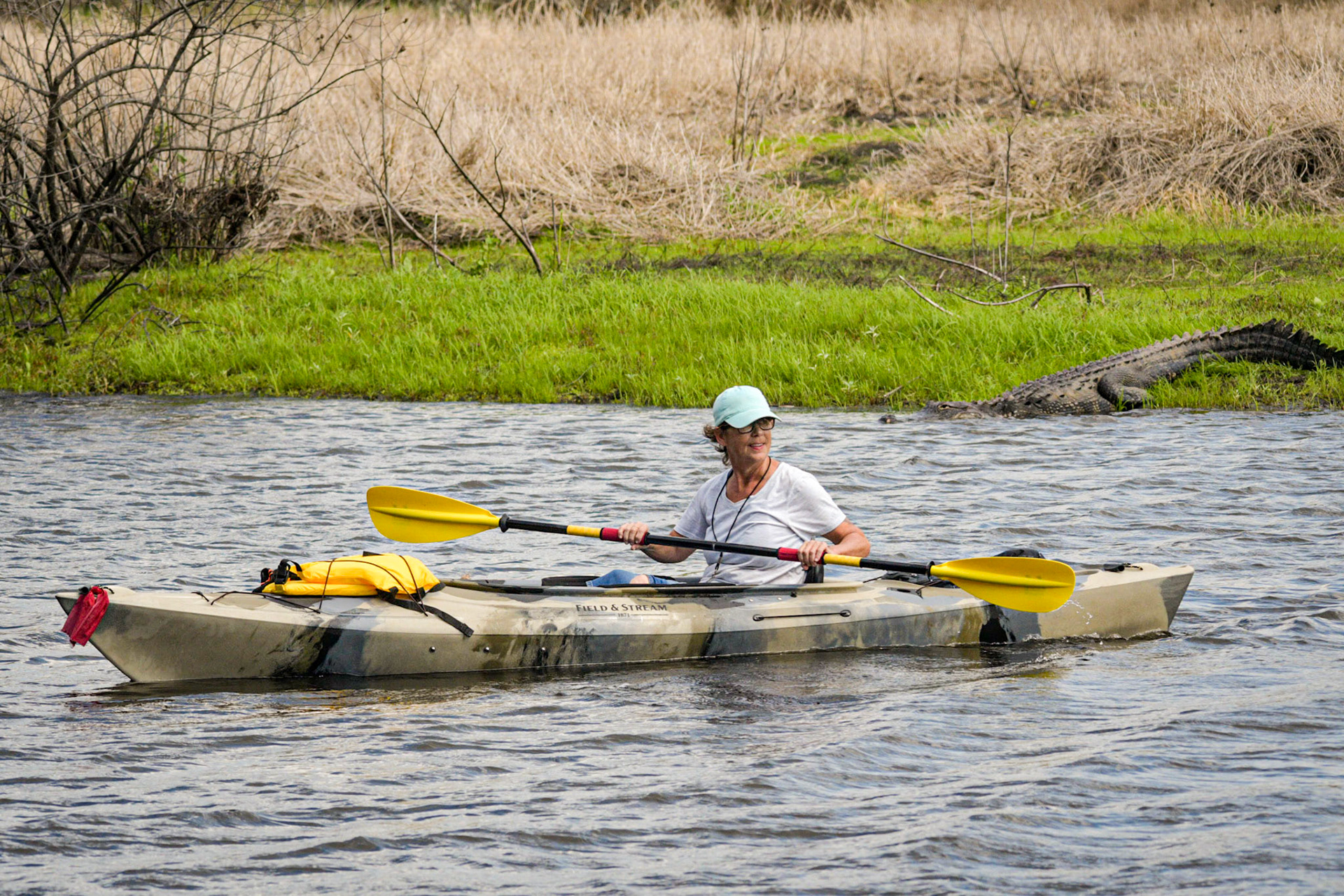
RECREATIONAL RESOURCE VALUE - Fishing, boating, and canoeing/kayaking are the primary recreational activities on the Myakka River. Recreational facilities to support fishing include boat docks, bridges, and access points. There are several public and private boat ramps including at the Upper Myakka Lake, Snook Haven Park and along tributaries to the Myakka River south of U.S. Highway 41. Public canoe/kayak launches are present at Myakka River State Park, the Venice Myakka River Park, Border Road, Snook Haven Park, and Senator Bob Johnson’s Landing. There are additional private launches, including south of Laurel Road and on the lower river. Picnicking, nature study, photography, birding, and sightseeing are additional activities associated with boating. These activities are also experienced by foot, bicycle, and vehicle at public access points and within Myakka River State Park and other public lands. Additional recreational resource value elements include hiking, bicycling, horseback riding, and camping. These additional activities occur primarily within the state park and county preserves including T. Mabry Carlton, Jr. Memorial Reserve, Sleeping Turtles Preserve, Deer Prairie Creek Preserve, Jelks Preserve, Myakka Islands Point and Myakka State Forest. Limited hunting is permitted at Myakka State Forest.
CULTURAL AND HISTORICAL RESOURCE VALUES - The significant cultural and historical sites of the Myakka River watershed are valuable because they provide the present and future residents and visitors tangible monuments to their distant and immediate predecessors and provide a sense of place by showing links to earlier people. As educational or tourist destinations, these sites can emphasize the unique character of communities through preservation and restoration of historic structures. These sites also represent scarce, nonrenewable repositories of scientific information on the economic, biological, social, and ceremonial aspects of 12,000 years of human occupation in the watershed. In addition, research information about previous climatic conditions of the watershed and the response to these changing conditions made by humans, animals, and plants are an important resource. The sites within the watershed give scientists studying human remains at prehistoric cemeteries the opportunity to see the health consequences of various diets, lifestyles, and diseases.
CULTURAL AND HISTORICAL RESOURCE VALUES - The significant cultural and historical sites of the Myakka River watershed are valuable because they provide the present and future residents and visitors tangible monuments to their distant and immediate predecessors and provide a sense of place by showing links to earlier people. As educational or tourist destinations, these sites can emphasize the unique character of communities through preservation and restoration of historic structures. These sites also represent scarce, nonrenewable repositories of scientific information on the economic, biological, social, and ceremonial aspects of 12,000 years of human occupation in the watershed. In addition, research information about previous climatic conditions of the watershed and the response to these changing conditions made by humans, animals, and plants are an important resource. The sites within the watershed give scientists studying human remains at prehistoric cemeteries the opportunity to see the health consequences of various diets, lifestyles, and diseases.
GEOLOGIC RESOURCE VALUES - The Myakka River watershed features Warm Mineral Springs and Little Salt Spring, both contributing to the area's ecological and historical value. The river flows around scenic bluffs and limestone outcroppings, showcasing unique soil horizons and relic marine shells. Geological resources include dolomite and marl deposits. A notable sill near the river's confluence with Deer Prairie Creek helps manage saline water penetration during low flow periods.
WATER RESOURCE VALUES - The Myakka River's water resource values are vital for maintaining high water quality, supporting healthy fish and wildlife populations, and providing a source of recreation and potable water. Designated as Class I and II waters, including Outstanding Florida Waters and Special Waters, the river and its tributaries receive the highest level of protection under Florida state law. This protection ensures the preservation of water quality essential for the ecosystem's structure and functions, including fish nursery areas and seasonal water cycles that expand available nursery space during periods of no flow.
The Myakka River's hydrology is influenced by seasonal rainfall cycles and watershed characteristics, which control filtration, storage, and runoff. The river also supports various recreational activities and commercial uses, dependent on the integrity of water resource values. Maintaining high water quality, quantity, and proper discharge timing is crucial for the river's ecological health and its role as a potential public water supply. The watershed's cumulative inputs from tributaries contribute significantly to the overall water resource management.
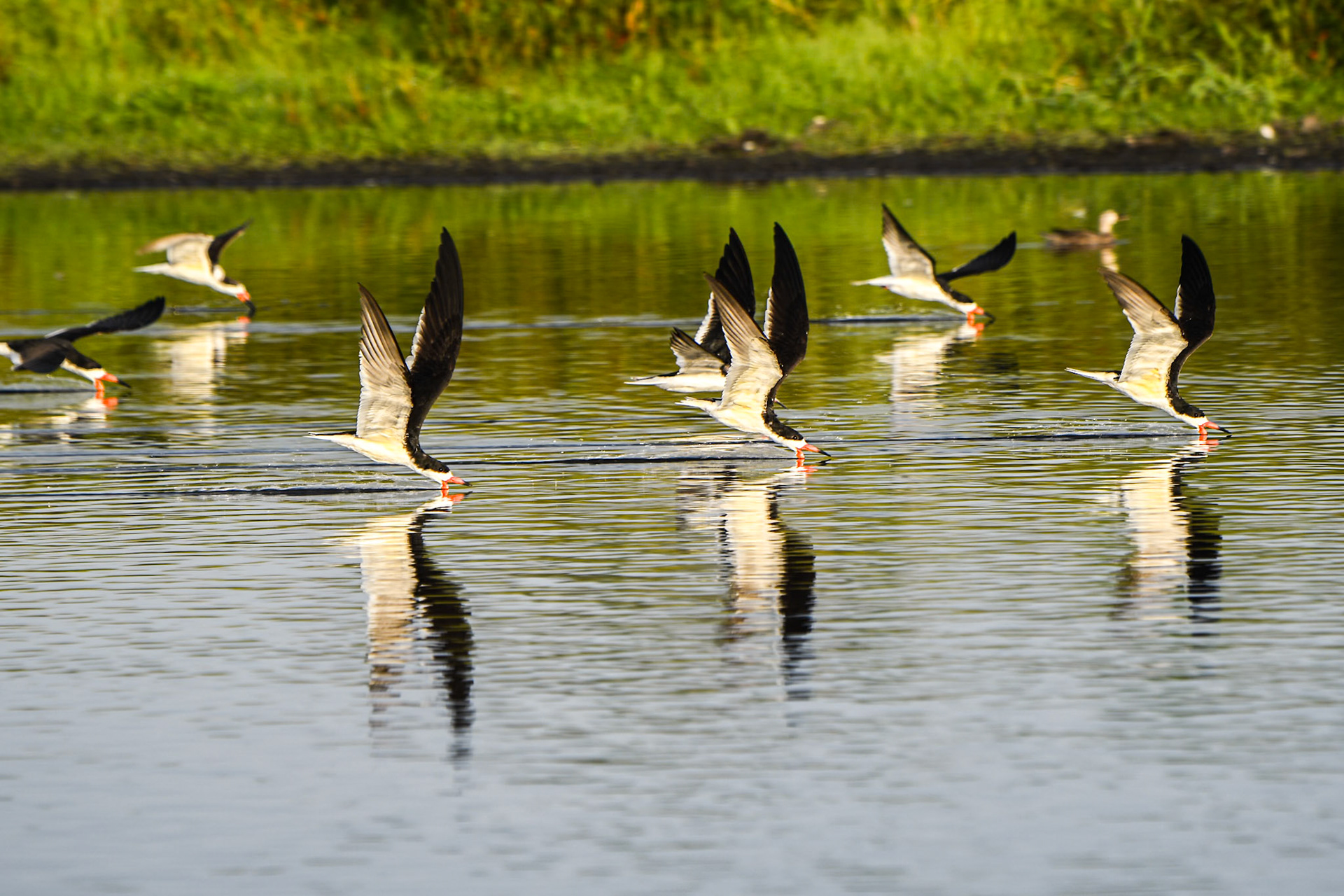
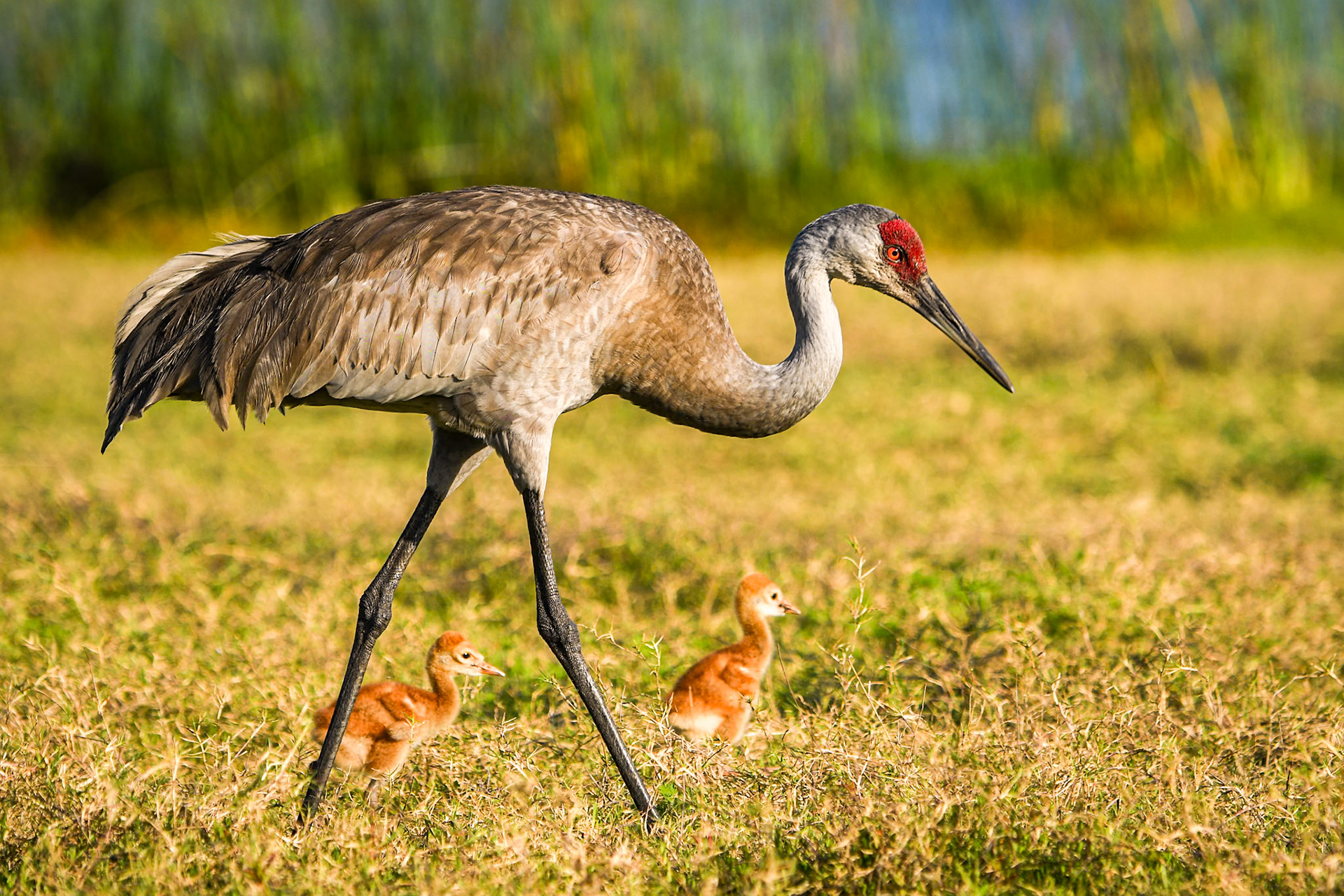
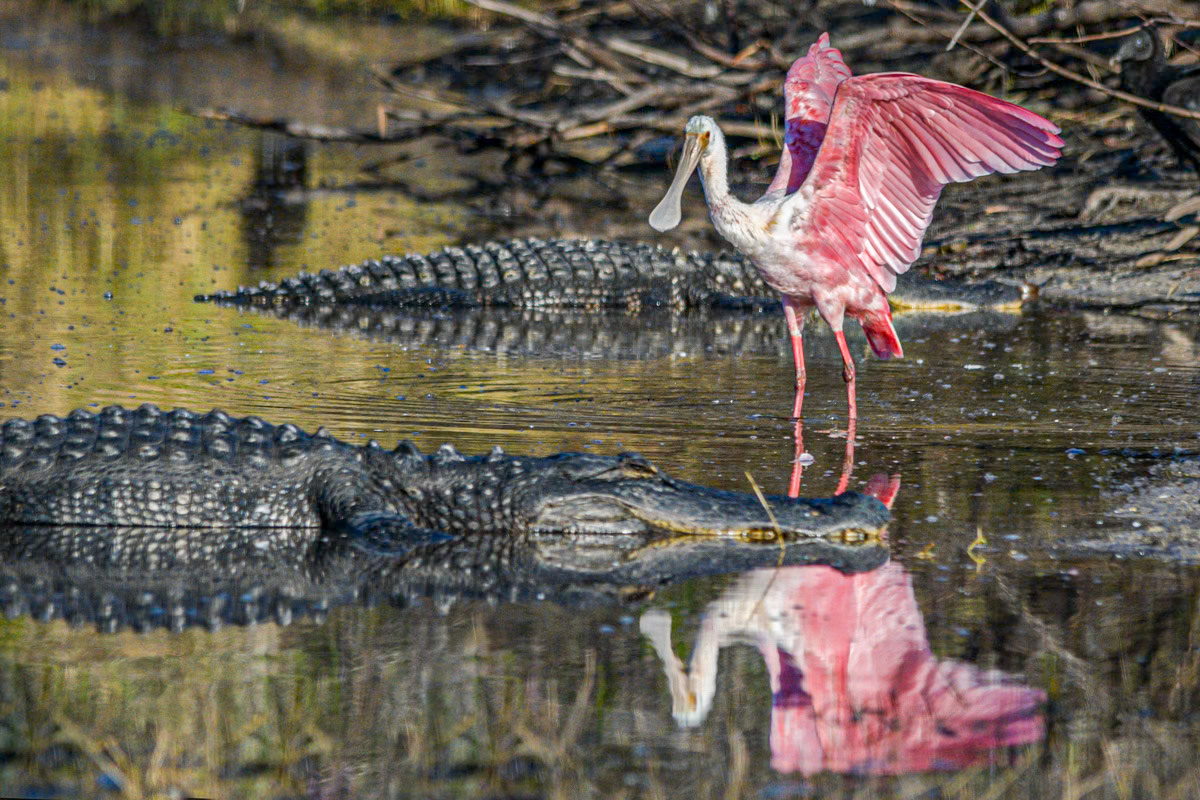
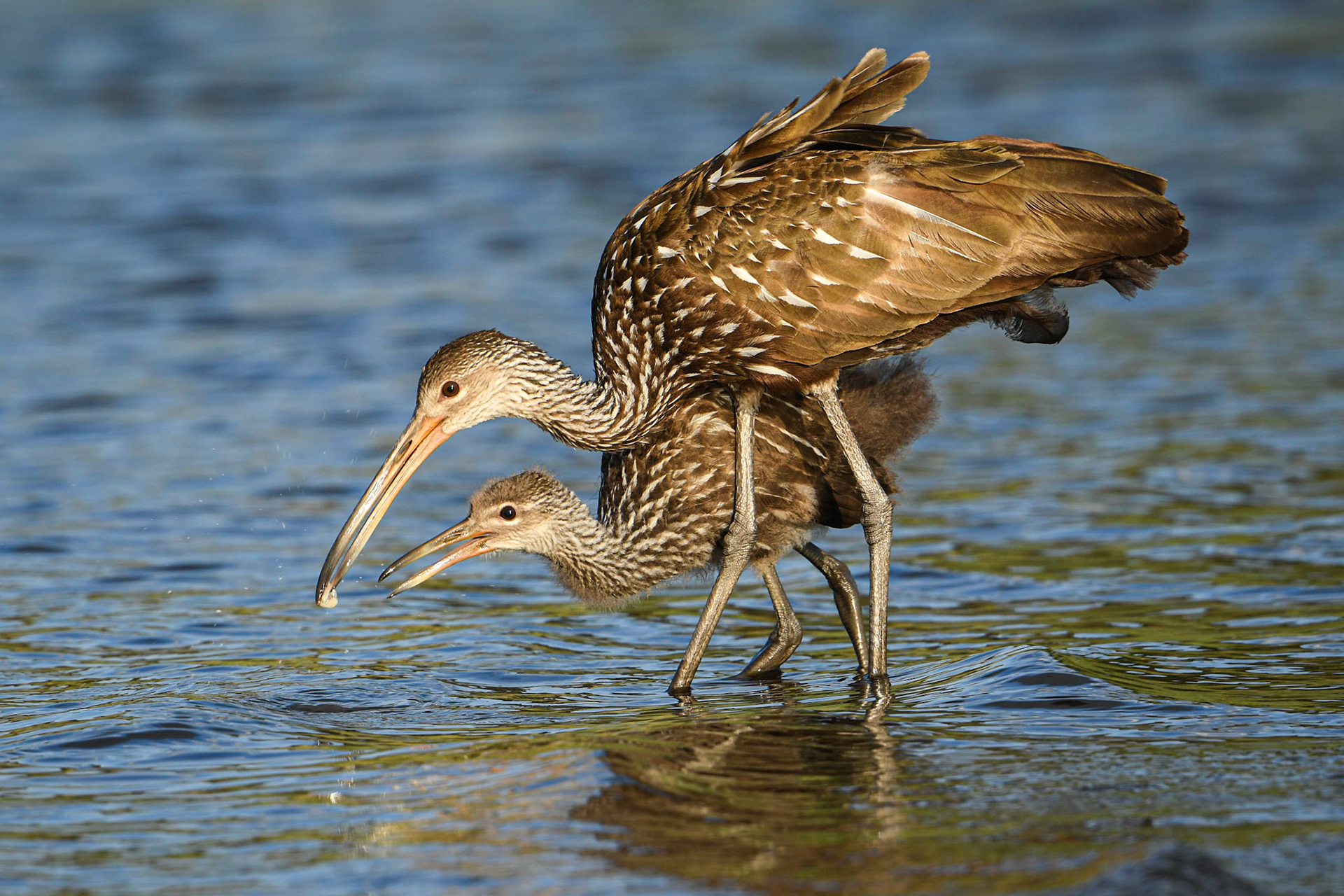
TERRESTRIAL ECOLOGY RESOURCE VALUE - The terrestrial ecology resource value of the Myakka River corridor encompasses the plants and animals found in the uplands and wetlands. It examines these life forms at individual, species, community, and ecosystem levels. Various plant communities and wildlife habitats, including those of listed species, play crucial roles in maintaining the ecological balance. Listed species include both plants and animals identified by government agencies and conservation groups as threatened or endangered. The corridor is also significant for game and non-game animals, and as a wildlife corridor and waterfowl flyway, providing essential functions like travel, shelter, feeding, and nesting/den sites. Noteworthy sites include wading bird rookeries, eagle nests, alligator holes, and river otter dens.
Additionally, the Myakka River drainage watershed features eight regionally significant areas: Myakka River, Upper Myakka Lake, Lower Myakka Lake, Flatford Swamp, Vanderipe Slough, Warm Mineral Springs, Tatum Sawgrass, and Myakkahatchee Creek. The river and its associated ecosystems offer critical habitats for a diverse array of species. These areas are vital for the survival of various mammals, birds, reptiles, and other wildlife. Preserving the integrity of these habitats is essential for maintaining the ecological health and biodiversity of the Myakka River corridor.
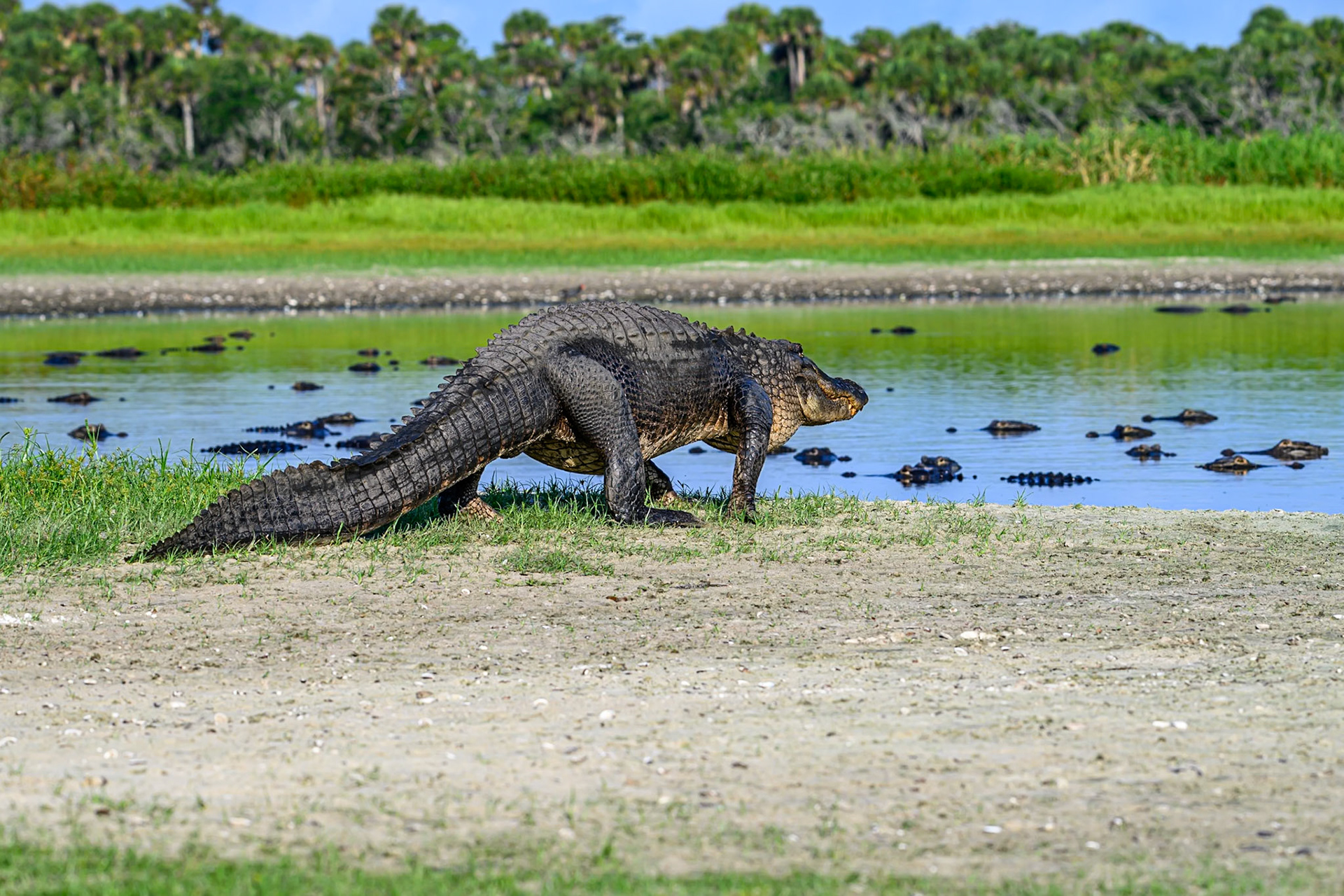
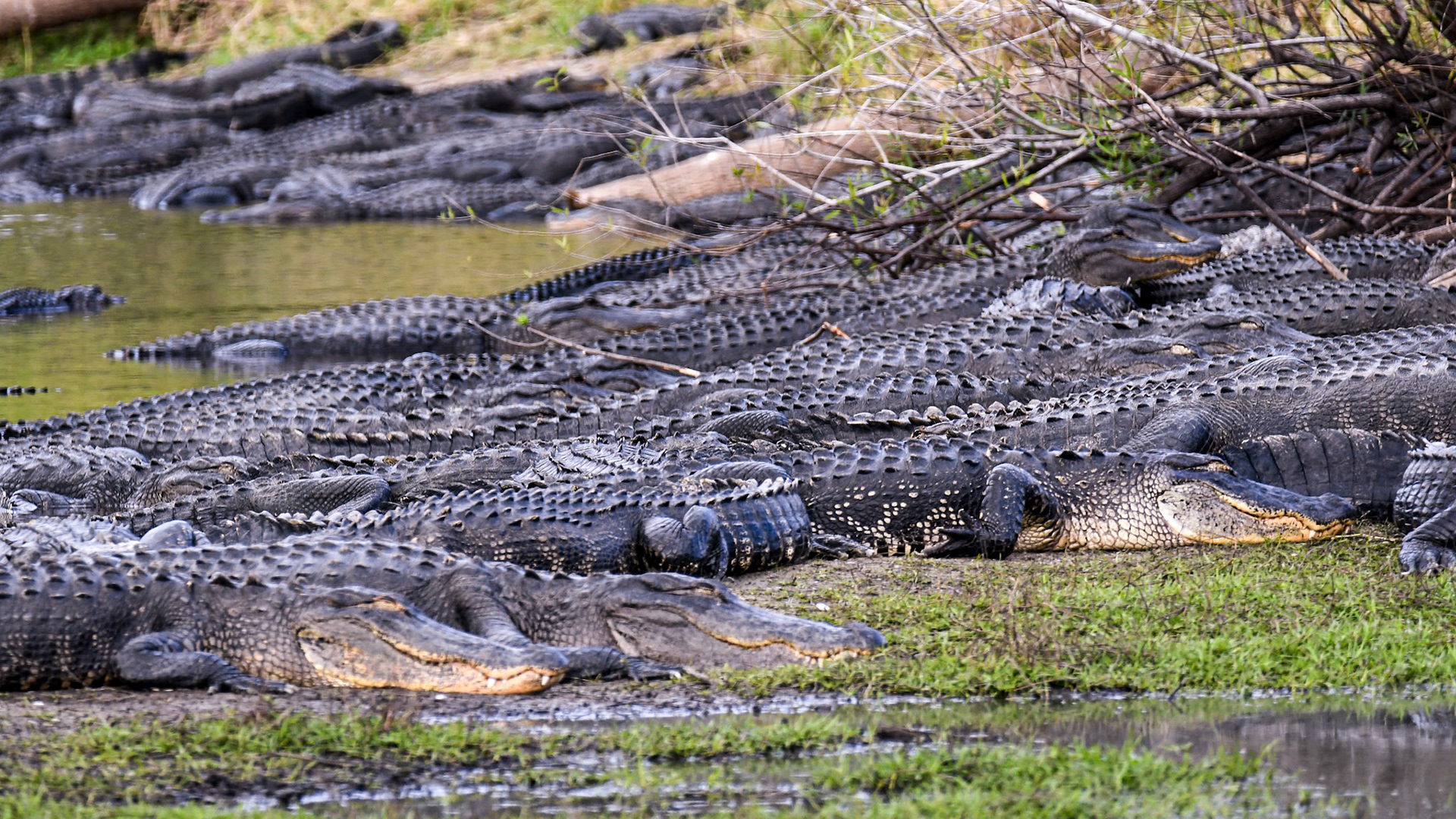
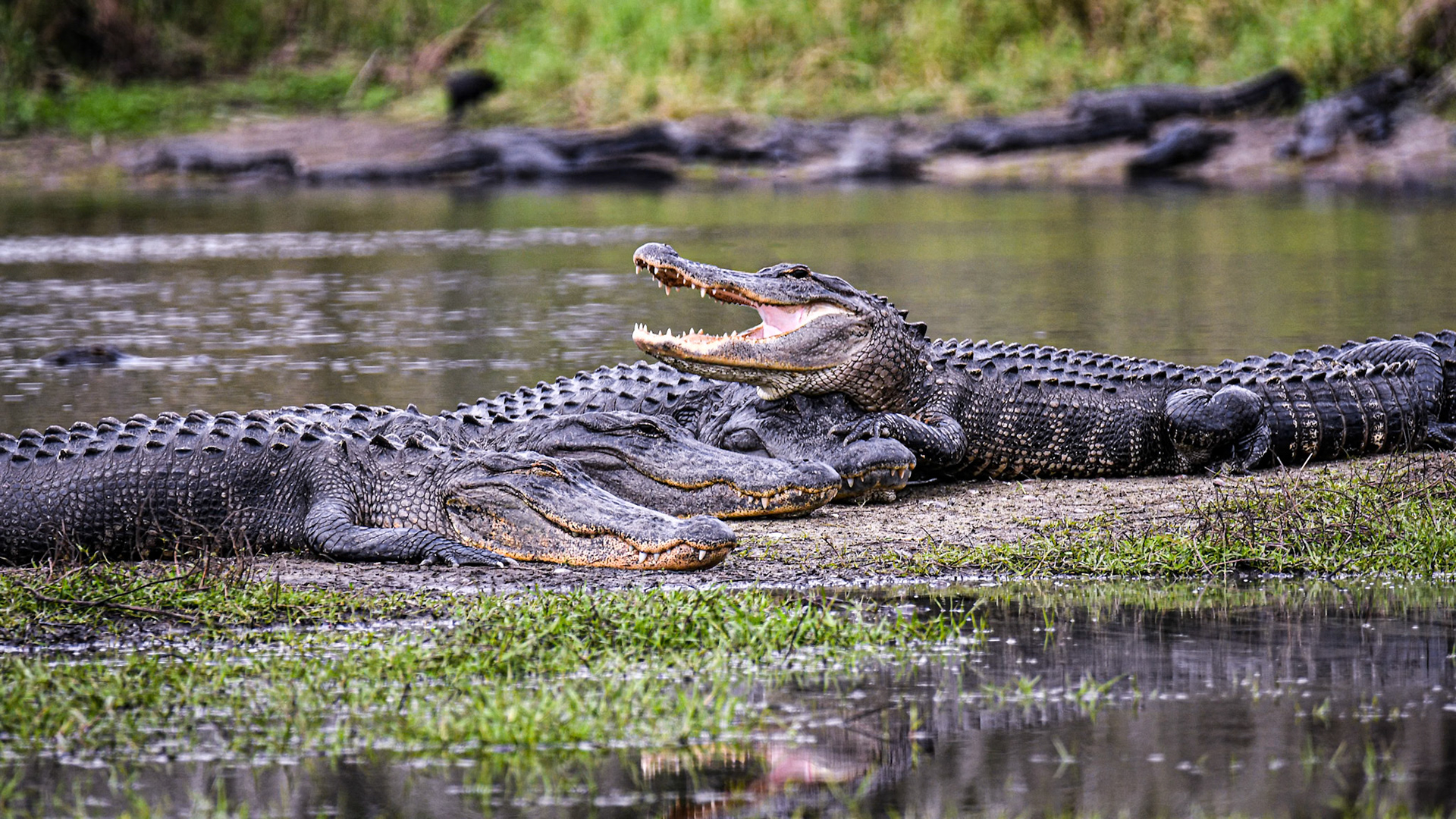
AQUATIC ECOLOGY RESOURCE VALUE - The Myakka River is valuable as habitat to a variety of aquatic species. Aquatic habitat consists of the river, lakes, tributaries, swamps, and marshes. Marshes of the Myakka River that encompass freshwater, tidal freshwater, and estuarine/marine marshes are particularly important in providing both emergent and submergent niches. The diversity of habitat types within the Myakka River corridor serves to provide a great diversity of fish and wildlife. These wetland communities/aquatic habitats serve to provide important fish and wildlife habitat, stabilize shorelines, and provide functions critical to the preservation of water quality, water quantity, and the time distribution of water discharge. One of the greatest values of the Myakka River is its function as a fishery nursery area. The vast majority of recreationally and commercially important fish and shellfish species are dependent upon the estuarine zone at some point in their life cycle. The combination of the water resource and the available aquatic habitats serves to maintain this important function of the river. The Myakka River is a designated critical habitat for the Florida manatee. This marine mammal is listed as threatened by both the FWC and USFWS. Bottlenose dolphins also use the lower river. The American alligator is common in the Myakka River. Large numbers of turtles, primarily peninsula cooter, occur along the river and may be observed as one travels down the river.
© 2025 Miri Hardy - All rights reserved